Understanding When Your Heating System Needs Replacement in Westchester
Your heating system works tirelessly through harsh Midwest winters, but even the most reliable equipment eventually reaches the end of its useful life. In Westchester, IL, where temperatures regularly drop below freezing from December through February, a failing heater isn’t just an inconvenience—it’s a serious concern for your family’s comfort and safety. Recognizing the signs that indicate you need heater replacement can save you from unexpected breakdowns during the coldest days of the year.
Age remains the most straightforward indicator for replacement timing. Most furnaces last between 15 to 20 years with proper maintenance, though some well-maintained units might stretch to 25 years. However, efficiency drops significantly after 15 years, and repair frequency typically increases. If your current system approaches or exceeds this age range, planning for a new heater installation makes financial sense, especially considering modern efficiency improvements that can reduce your monthly heating bills by 20 to 40 percent.
Critical Warning Signs Your Heater Needs Replacement
Rising energy bills despite consistent usage patterns often signal declining efficiency in your heating system. As internal components wear down, your furnace must work harder and longer to maintain comfortable temperatures, consuming more fuel or electricity in the process. When you notice your heating costs climbing steadily over several months or years, even after accounting for rate increases, your system likely operates well below its original efficiency rating.
Frequent repairs present another clear indication that replacement makes more economic sense than continued maintenance. The industry standard suggests applying the 50 percent rule: if a single repair costs more than half the price of a new heater, or if annual repair costs exceed 50 percent of replacement cost, investing in new equipment provides better long-term value. Additionally, finding replacement parts for older systems becomes increasingly difficult and expensive, particularly for furnaces manufactured before 2010.
Strange noises emanating from your heating system shouldn’t be ignored. While some operational sounds are normal, loud banging, squealing, rattling, or grinding indicates serious mechanical problems. These sounds often result from failing motors, loose components, or cracked heat exchangers—issues that typically warrant complete system replacement rather than repair.
Modern Heater Technology and Efficiency Advantages
Today’s heating systems incorporate advanced technology that dramatically improves both comfort and efficiency compared to units installed even ten years ago. Variable-speed blowers adjust airflow based on heating demands, eliminating the temperature swings common with single-speed systems while reducing energy consumption. These sophisticated motors consume up to 75 percent less electricity than standard blowers while operating more quietly.
High-efficiency furnaces now achieve Annual Fuel Utilization Efficiency ratings of 95 to 98 percent, meaning nearly all fuel converts directly to heat for your home. Older furnaces typically operate at 60 to 80 percent efficiency, sending valuable heat up the chimney instead of into your living spaces. This efficiency improvement translates to substantial savings—a household spending $1,500 annually on heating with an 80 percent efficient furnace could save $300 or more yearly by upgrading to a 96 percent efficient model.
Our Heater Replacement Process in Westchester
At Riley Heating & Cooling, we’ve refined our replacement process through decades of experience serving West Suburban Chicago communities. Our comprehensive approach begins with a detailed assessment of your home’s heating requirements, considering factors like square footage, insulation quality, window efficiency, and your family’s comfort preferences. This analysis ensures we recommend appropriately sized equipment—neither oversized units that cycle frequently and waste energy, nor undersized systems that struggle to maintain comfortable temperatures.
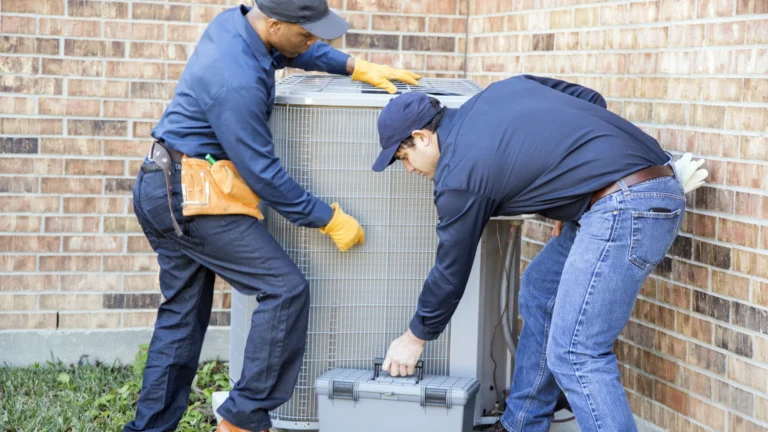
As a Bryant Factory Authorized Service provider since 2003, we meet stringent standards for technical expertise and customer service excellence. Our certified technicians receive ongoing training on the latest heating technologies and installation techniques, ensuring your new heater operates at peak efficiency from day one. We handle all aspects of replacement, including:
- Permit acquisition and code compliance: We secure necessary permits and ensure installations meet local building codes
- Safe removal of old equipment: We properly disconnect and remove existing systems, including responsible disposal or recycling
- Professional installation: Our technicians meticulously install new equipment according to manufacturer specifications
- System testing and calibration: We thoroughly test all components and adjust settings for optimal performance
- Customer education: We explain operation, maintenance requirements, and warranty coverage
Making the Right Heater Replacement Decision
Since our founding in 1934, Riley Heating & Cooling has helped countless Westchester residents navigate heater replacement decisions. As the oldest, local, family-owned heating and air conditioning company in the area, we understand the importance of balancing upfront costs with long-term value. We provide honest assessments about whether repair or replacement makes more sense for your situation, never pushing unnecessary upgrades while ensuring you understand when replacement becomes the smarter investment.
Our two-year satisfaction guarantee on all residential work demonstrates our confidence in both our equipment recommendations and installation quality. We service and repair all brands and types of equipment, giving us unique insight into which systems provide reliable, efficient heating for Westchester homes. This experience, combined with our commitment to treating customers exactly how we would want to be served, ensures you receive trustworthy guidance throughout the replacement process.